Climate change in Kenya is not a distant abstraction. It is lived daily in the shrinking grazing lands of pastoralists, in the dwindling fish stocks of Lake Victoria, in the delayed rainfalls affecting small scale farmers in the long walks women make to fetch water, the silent burdens carried by the elderly and persons with disability during floods and droughts, the water flow-backs from the Rift Valley lakes in the case of Lake Naivasha and so much more.
Yet, these impacts are not evenly distributed. Vulnerability is shaped by gender, age, poverty, and social status. Some harms are recognized, others remain invisible.
Six months ago, Kenya took a decisive step forward by developing the Guidelines for Gender Mainstreaming into Climate Action. This landmark document was the product of collaboration between the State Department for Gender Affairs and Affirmative Action, the State Department for Environment and Climate Change, and the NDC Partnership, with Africa CSID providing technical leadership throughout the process.
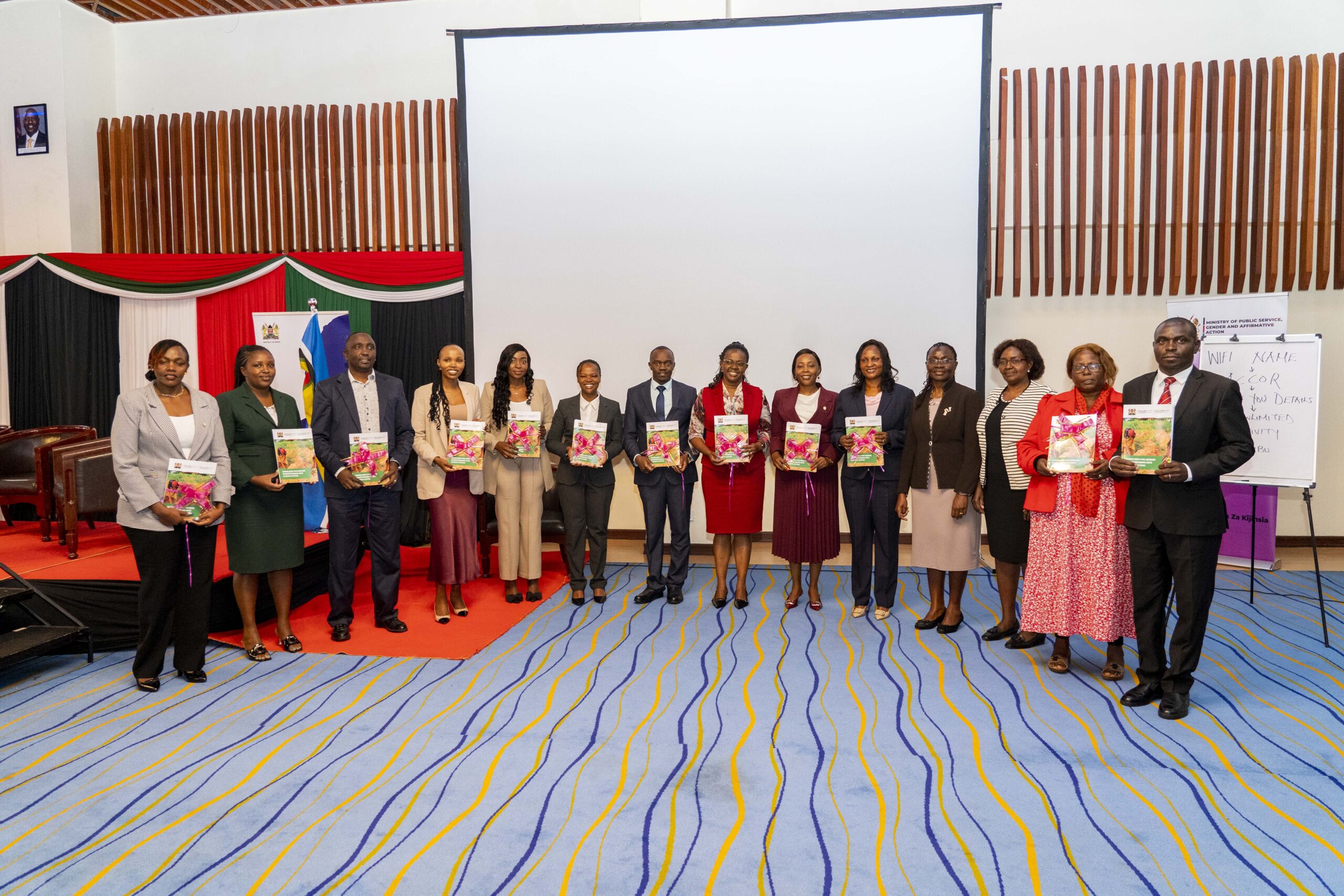
On 25th May 2026, the Guidelines were officially launched, marking a significant milestone in the country’s climate governance journey. More than a policy document, the Guidelines serve as a comprehensive framework for seeing, measuring, and responding to the differentiated ways climate change affects women, men, youth, and marginalized groups.
The launch, held during the National Gender Sector Working Group Biannual Meeting, was a moment of national ownership. The Cabinet Secretary for Gender, Culture and Children Services presided as Chief Guest, joined by the Principal Secretary for State Department for Gender Affairs and Affirmative Action, ambassadors, UN leaders, Members of Parlimaent, civil society representatives, and grassroots voices from across the country. The breadth of participation underscored a collective commitment that climate action in Kenya must be gender-responsive, inclusive, and transformative.
The Guidelines are practical and grounded. They provide tools for conducting gender analysis, frameworks for gender-responsive budgeting, and systems for monitoring, reporting, and verification (MRV) that demand sex and gender disaggregated data. The guidelines emphasize that climate policies and projects must not only acknowledge inequality but actively dismantle it.
They remind us that resilience is built in communities where women’s unpaid survival labor, youth innovation, and indigenous knowledge sustain life amid crisis. By mainstreaming gender into climate action, and devevelpoing guidelines to support the processes, Kenya acknowledges that effective resilience requires equity, efficiency, and empowerment.
Africa CSID’s technical support enriched the Guidelines with approaches that stakeholders can apply at both national and county levels. We worked to ensure the document is not aspirational but actionable; a living tool that diverse state and nonstate actors like ministries, county governments, and community organizations can use to design interventions that leave no one behind.
The challenge now lies in implementation. These guidelines only matter if they shape budgets, influence projects, and change lives. Dissemination must be deliberate, training must be continuous, and monitoring must be rigorous. Africa CSID remains committed to supporting stakeholders in translating these frameworks into tangible outcomes, from grassroots resilience projects to national climate strategies.
Climate change is not neutral. And neither should our response be.
Leave a Reply