Long before maize became Kenya’s dominant staple, communities thrived on a nutritious diverse food base consisting of sorghum, finger millet, pearl millet, cassava, sweet potatoes, bananas, yams, and leafy greens such as spider plant (saga), jute mallow (mrenda), amaranth (terere) and many more. These crops were not only nutritionally dense but also drought-adapted and biodiversity-friendly, forming resilient food systems that sustained households for generations.
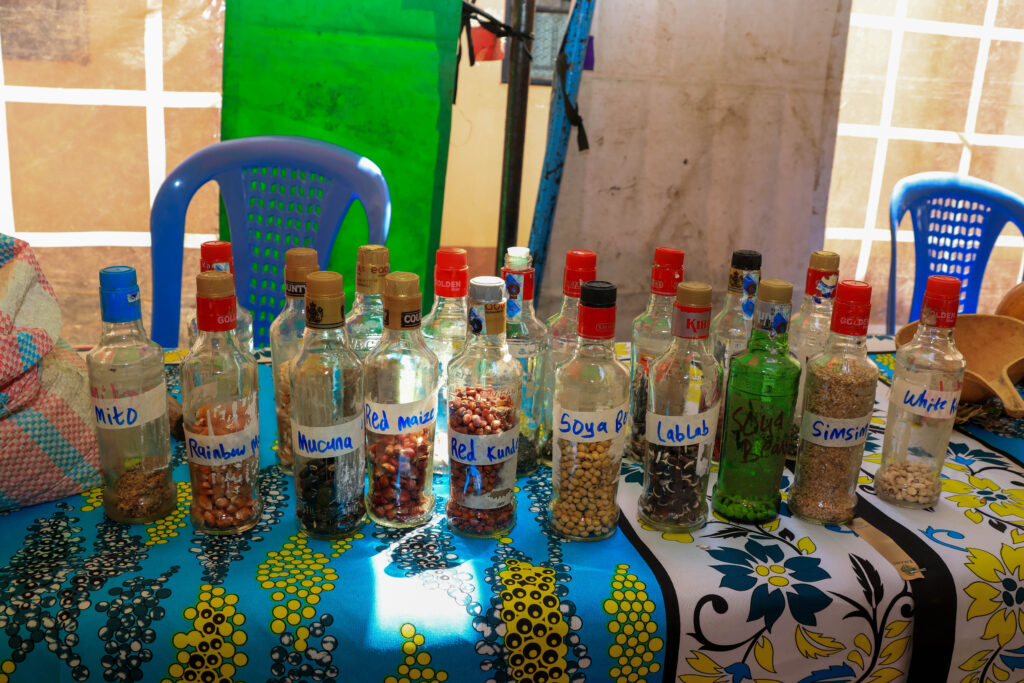
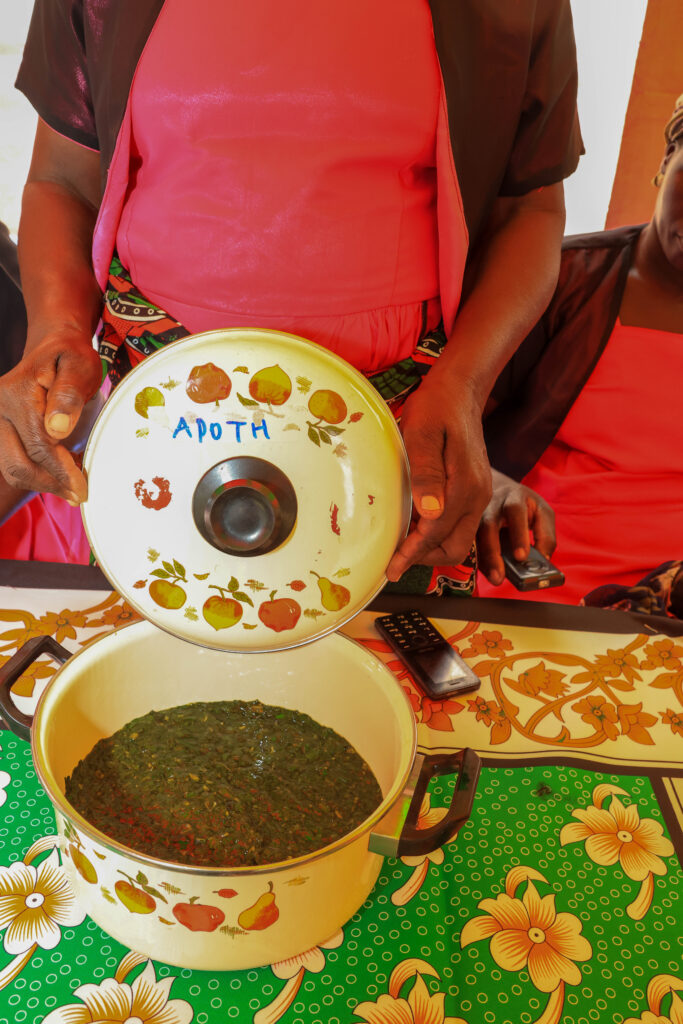
A community such as the Luo, who settled along the Lake Victoria basin, built their food culture on three pillars: fishing, farming, and livestock keeping. Sorghum, millet and cassava were prized for their drought tolerance, while the lake offered an extraordinary diversity of fish species, complemented by indigenous vegetables like osuga, apoth, mito, boo, and dek. Meals such as fermented milk, locally produced ghee, kuon/nyuka anang’a (ugali/porridge made from millet, cassava fermented milk, and locally produced ghee), aliya (sun-dried beef), and omena (sardines) were not just food but symbols of nutrition, resilience, preservation, and cultural identity.
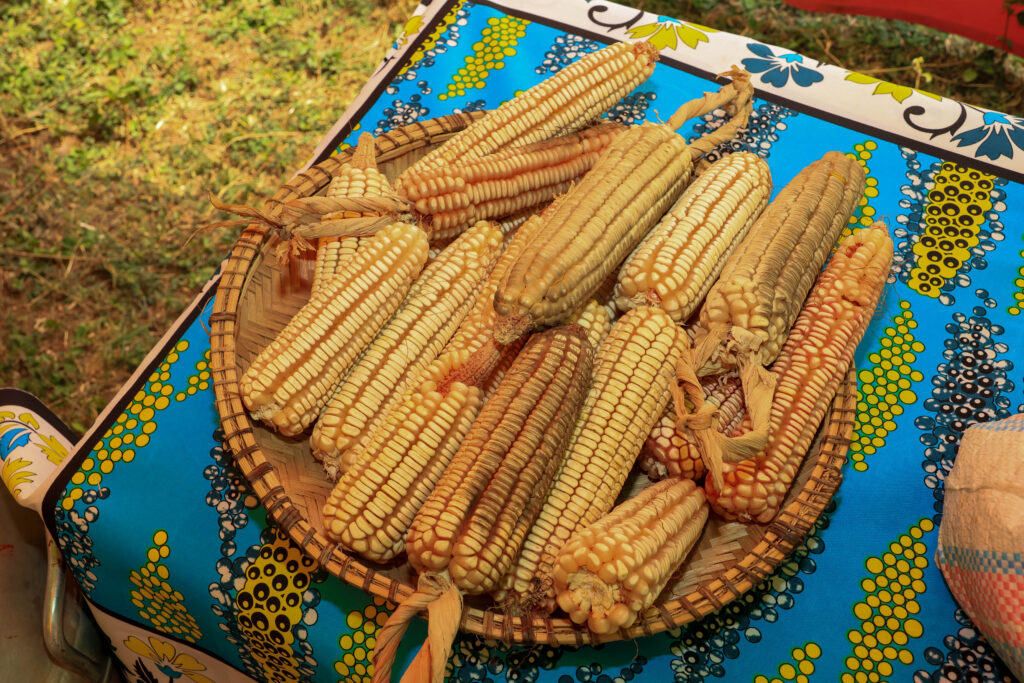
Yet colonial and modern agricultural practices steadily eroded this heritage. Maize displaced cassava, sorghum, and millet, narrowing diets and weakening agricultural resilience. The abandonment of indigenous seeds and crops ushered in varieties ill-suited to local climatic conditions, resulting in reduced yields.
These introduced seeds often demanded intensive chemical inputs, accelerating soil degradation and destroying vital organisms essential for soil health. What had once been everyday, nutritious staples were stigmatized as “food for the poor” and, over time, relegated to the status of rare delicacies. Alongside this decline, traditional knowledge of preparation methods began to fade, severing communities from the cultural practices that had sustained them for generations.
These changes not only transformed agricultural practices in the crop sector but also had far-reaching impacts on fisheries. The introduction of Nile perch into Lake Victoria in the 1950s dramatically altered the lake’s ecosystem, contributing to the decline of many native fish species and a significant reduction in fish diversity and stocks.
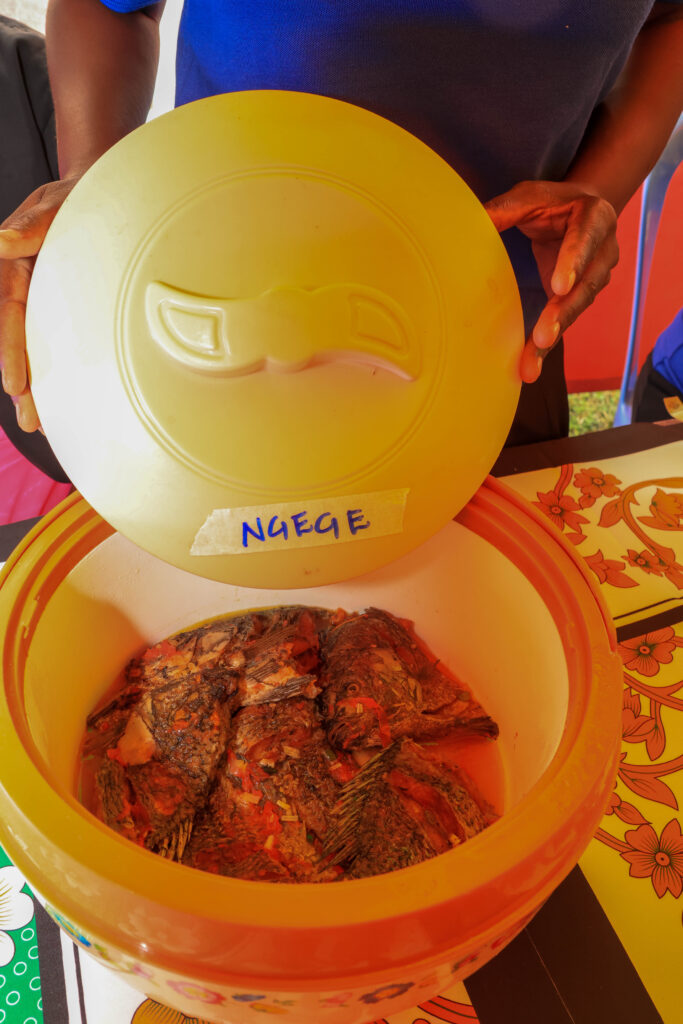
These challenges have been compounded by climate change, particularly rising temperatures that have warmed the lake’s waters, affecting fish breeding and survival. At the same time, increasing human activities on and around the lake, including pollution, habitat degradation, and the introduction of invasive species and other foreign materials, have further eroded biodiversity and contributed to fish mortality. Together, these pressures have undermined the ecological health of Lake Victoria and the livelihoods of communities that depend on its fisheries.
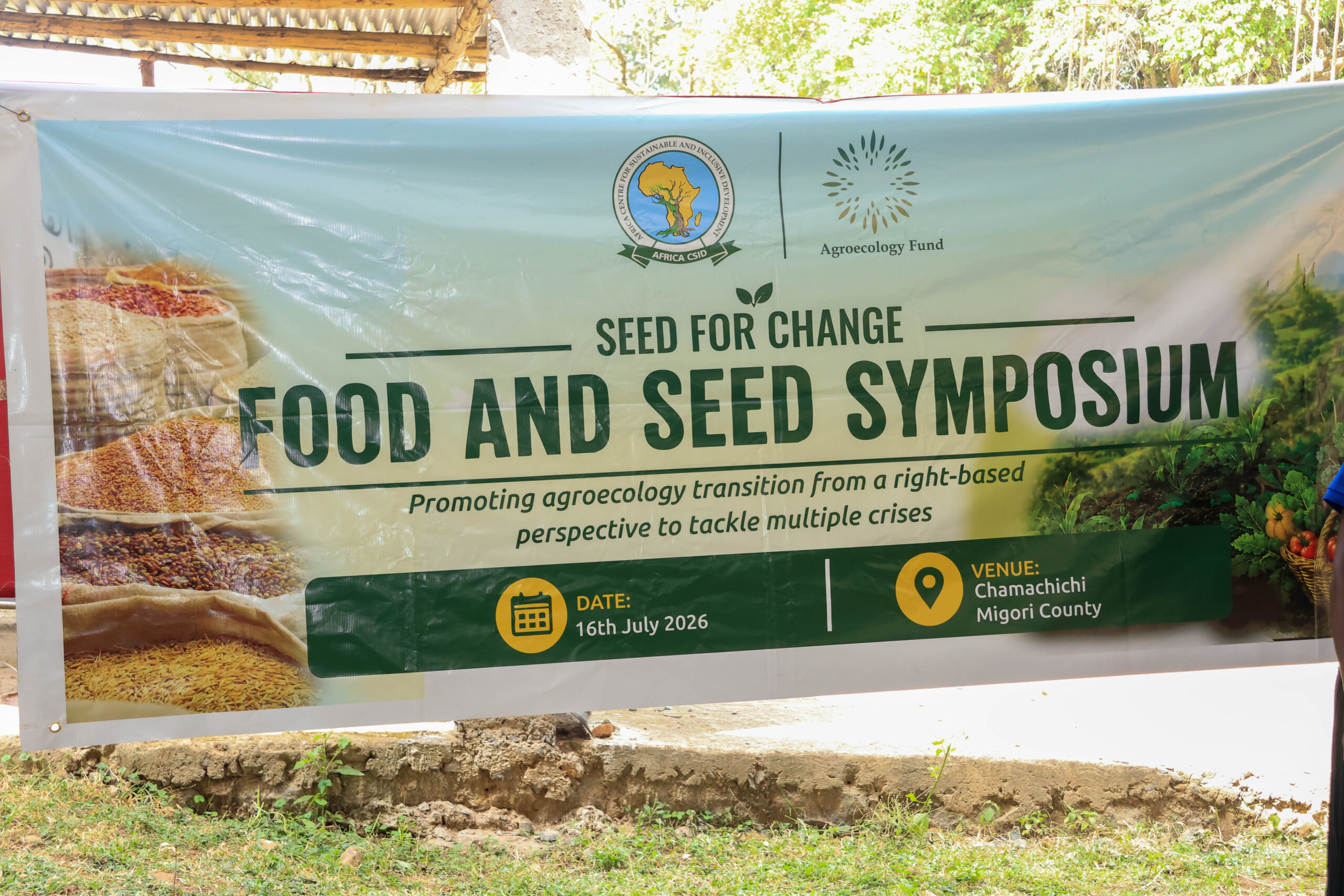
Against this backdrop, we , in partnership with the Kawino Women and Youth Group, convened a Food and Seed Symposium in Nyatike, Migori County. Supported by the Agroecology Fund under the broader Seeds for Change project, the gathering offered a powerful case for the revival of indigenous food systems.
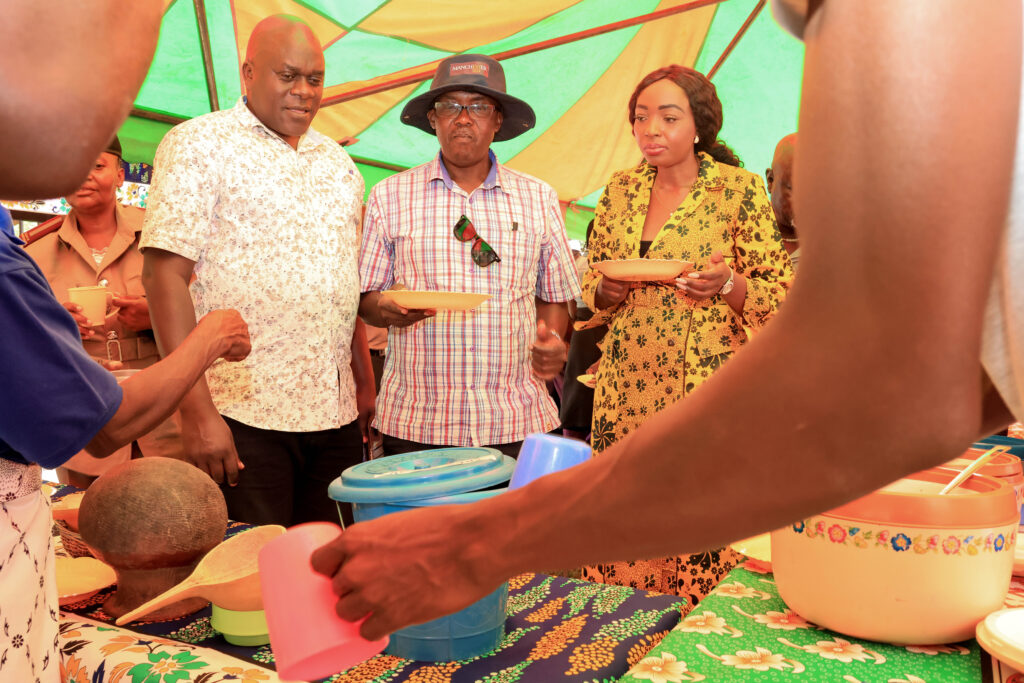
The symposium brought together diverse stakeholders: community members, many rediscovering traditional foods after decades; representatives from the County Government of Migori, the Departments of Agriculture, Gender, and Trade, committing to integrate the knowledge into policies and programs; Schools, represented by both teachers and children, signaling to passing of this knowledge on to the next generation; and the Kakoth Council of Elders ensuring that inter-generational learning was preserved and honored.
The Kawino Women and Youth Group prepared a rich array of traditional dishes such as nyuka,kuon anang’a, chak mopuo, dek, osuga, mtoo, boo, apoth, omena, mbuta, omuogo, rabuon, mor alenya, mor ng’iende and more. Participants watched the preparation, learned the cultural significance, and tasted meals that had nourished the generations before.
Elders shared wisdom on indigenous seeds and farming methods, while youth engaged in intergenerational knowledge transfer, ensuring these practices live on. Experts shared how this aligns with agroecology and why the community should embrace agroecology as a means towards food and nutrition security.
The experience extended beyond the kitchen to the field, where participants visited a community demonstration farm managed by the Kawino Women and Youth Group. They learned how Black Soldier Fly farming contributes to the production of organic fertilizer and high-protein animal feed, observed composting techniques, and explored mixed-cropping systems that improve soil health, conserve moisture, and enhance resilience in the dry conditions of Nyatike.
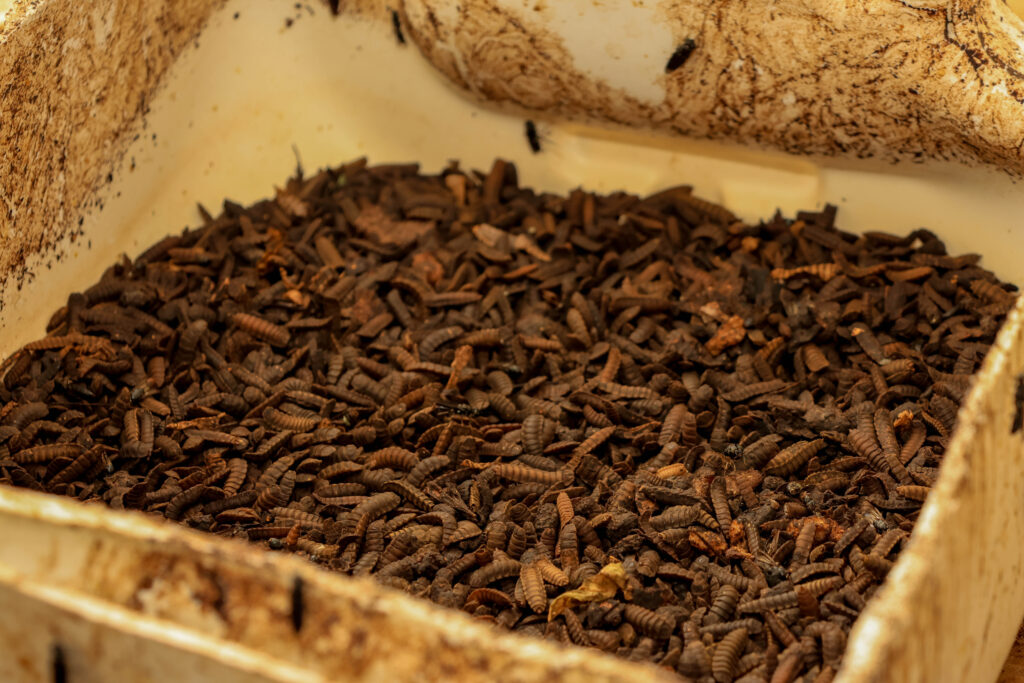
The visit showcased practical, locally driven solutions that communities can adopt to improve productivity while protecting natural resources.
The festival concluded with a symbolic fruit tree-planting exercise, reaffirming the community’s commitment to environmental restoration, biodiversity conservation, and building resilient food systems for future generations.
This festival was a celebration of indigenous foods and a call to action. Restoring drought resilient crops and indigenous vegetables on land, and reviving diversity in Lake Victoria’s fisheries while embracing agroecology, as essential for climate resilience.
Reconnecting the Nyatike community with this heritage was a step to building food systems that are not only sustainable but also deeply rooted in identity, and survival.
Leave a Reply