Blog

  • Indigenous Foods and Seeds Festival: Reviving Heritage in the Face of Climate Change 

    Indigenous Foods and Seeds Festival: Reviving Heritage in the Face of Climate Change 

    Long before maize became Kenya’s dominant staple, communities thrived on a nutritious diverse food base consisting of sorghum, finger millet, pearl millet, cassava, sweet potatoes, bananas, yams, and leafy greens such as spider plant (saga), jute mallow (mrenda), amaranth (terere) and many more. These crops were not only nutritionally dense but also drought-adapted and biodiversity-friendly, forming resilient food systems that sustained households for generations.
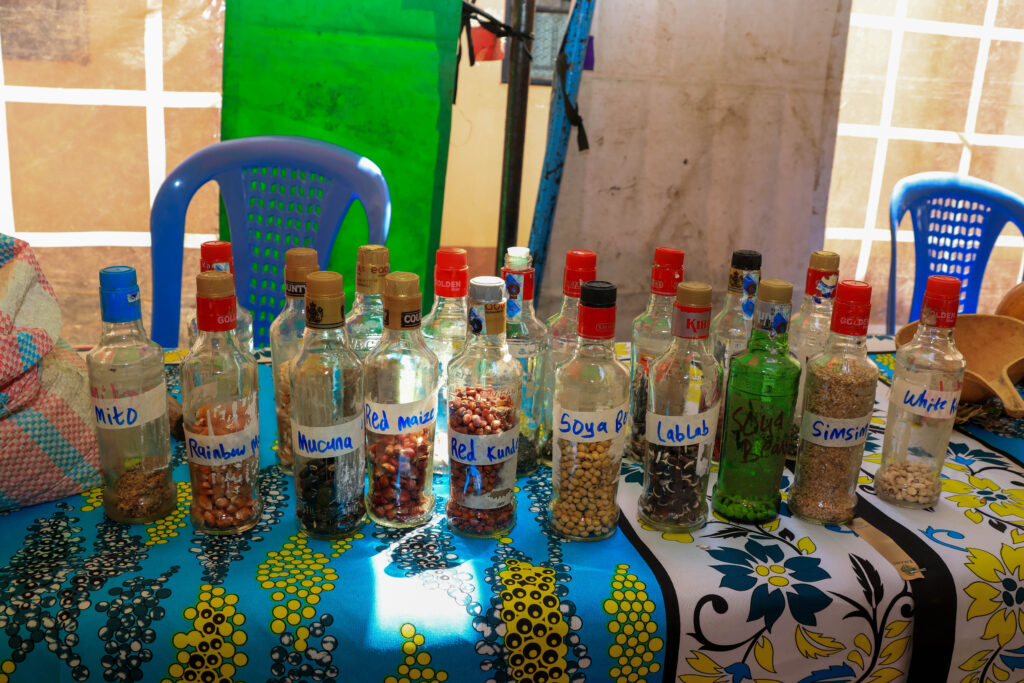
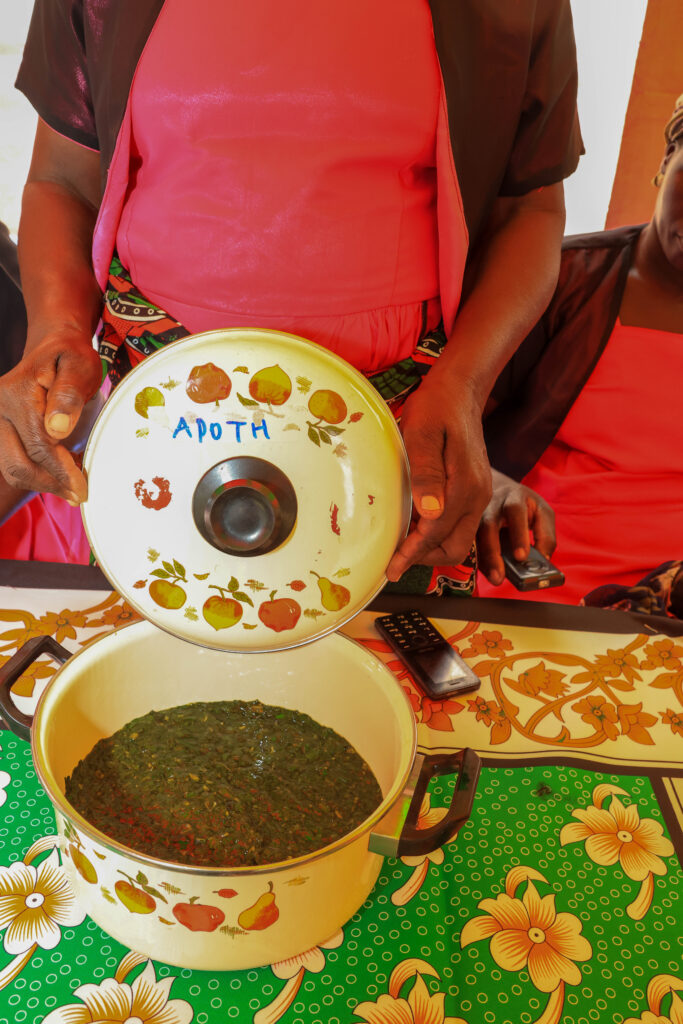
    A community such as the Luo, who settled along the Lake Victoria basin, built their food culture on three pillars: fishing, farming, and livestock keeping. Sorghum, millet and cassava were prized for their drought tolerance, while the lake offered an extraordinary diversity of fish species, complemented by indigenous vegetables like osuga, apoth, mito, boo, and dek. Meals such as fermented milk, locally produced ghee, kuon/nyuka anang’a (ugali/porridge made from millet, cassava fermented milk, and locally produced ghee), aliya (sun-dried beef), and omena (sardines) were not just food but symbols of nutrition, resilience, preservation, and cultural identity.
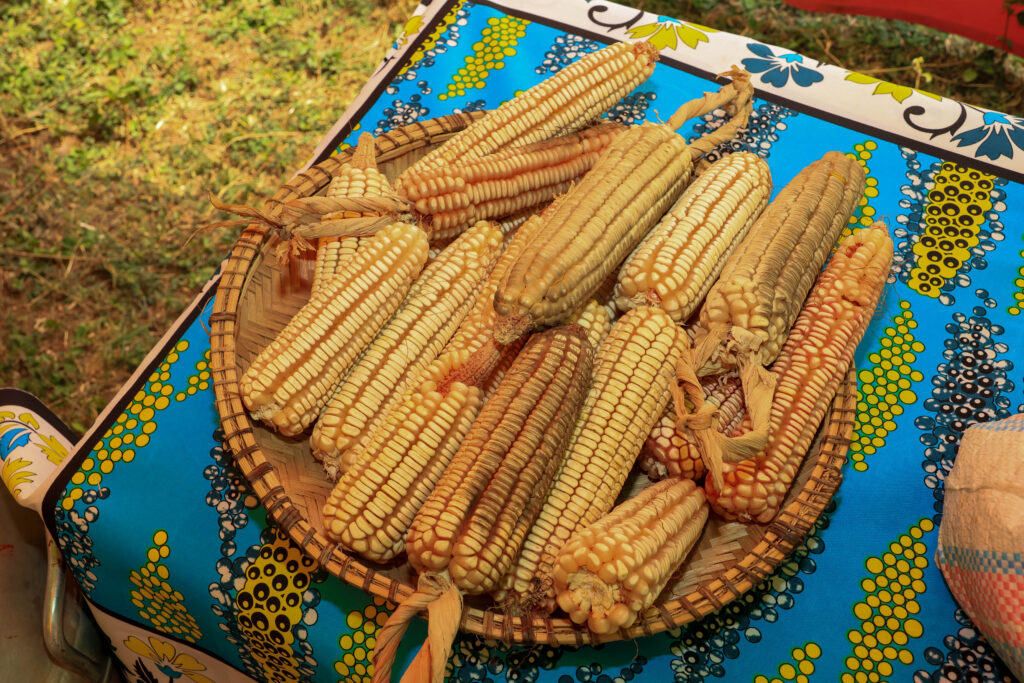
    Yet colonial and modern agricultural practices steadily eroded this heritage. Maize displaced cassava, sorghum, and millet, narrowing diets and weakening agricultural resilience. The abandonment of indigenous seeds and crops ushered in varieties ill-suited to local climatic conditions, resulting in reduced yields.

    These introduced seeds often demanded intensive chemical inputs, accelerating soil degradation and destroying vital organisms essential for soil health. What had once been everyday, nutritious staples were stigmatized as “food for the poor” and, over time, relegated to the status of rare delicacies. Alongside this decline, traditional knowledge of preparation methods began to fade, severing communities from the cultural practices that had sustained them for generations.
    These changes not only transformed agricultural practices in the crop sector but also had far-reaching impacts on fisheries. The introduction of Nile perch into Lake Victoria in the 1950s dramatically altered the lake’s ecosystem, contributing to the decline of many native fish species and a significant reduction in fish diversity and stocks.
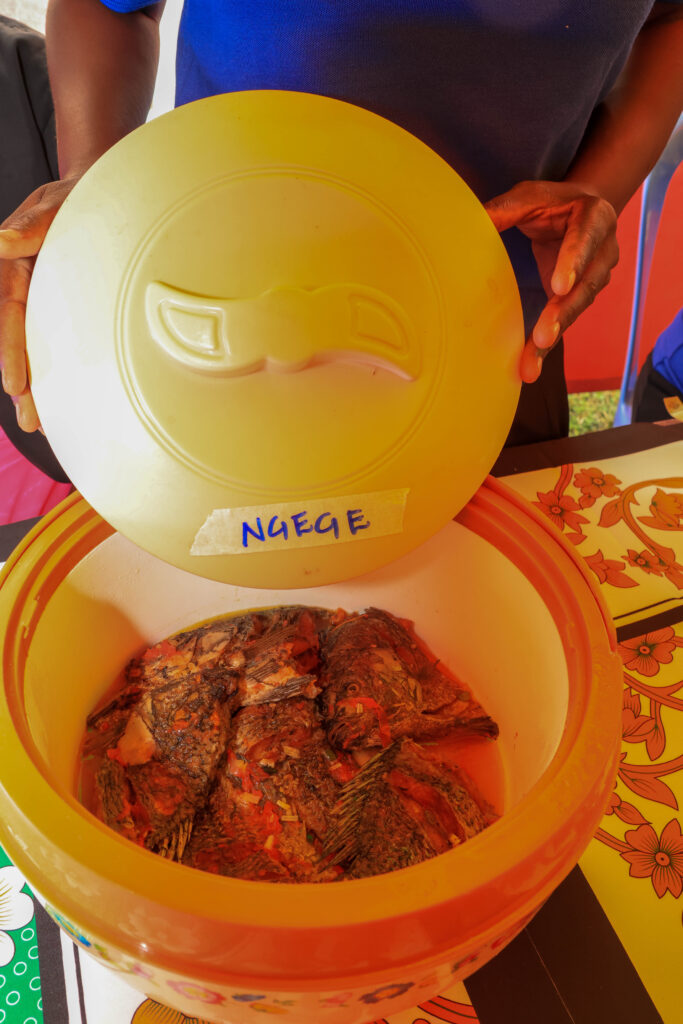
    These challenges have been compounded by climate change, particularly rising temperatures that have warmed the lake’s waters, affecting fish breeding and survival. At the same time, increasing human activities on and around the lake, including pollution, habitat degradation, and the introduction of invasive species and other foreign materials, have further eroded biodiversity and contributed to fish mortality. Together, these pressures have undermined the ecological health of Lake Victoria and the livelihoods of communities that depend on its fisheries.

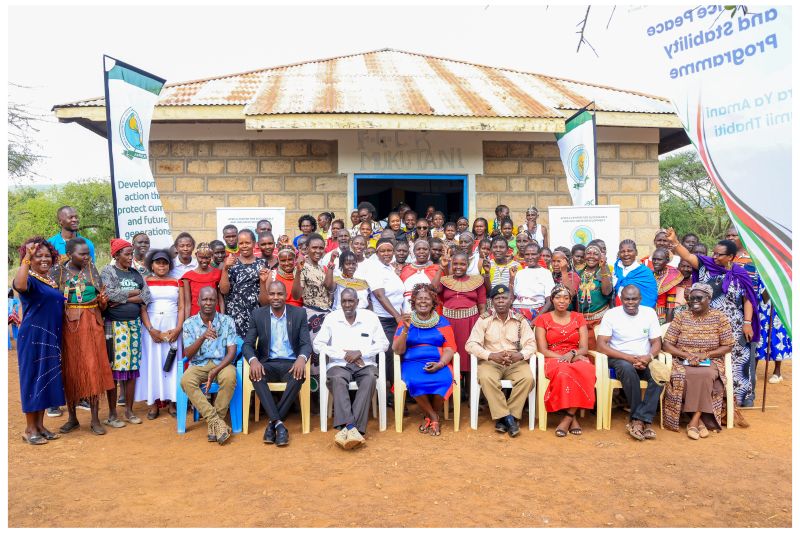
    Against this backdrop, we , in partnership with the Kawino Women and Youth Group, convened a Food and Seed Symposium in Nyatike, Migori County. Supported by the Agroecology Fund under the broader Seeds for Change project, the gathering offered a powerful case for the revival of indigenous food systems.
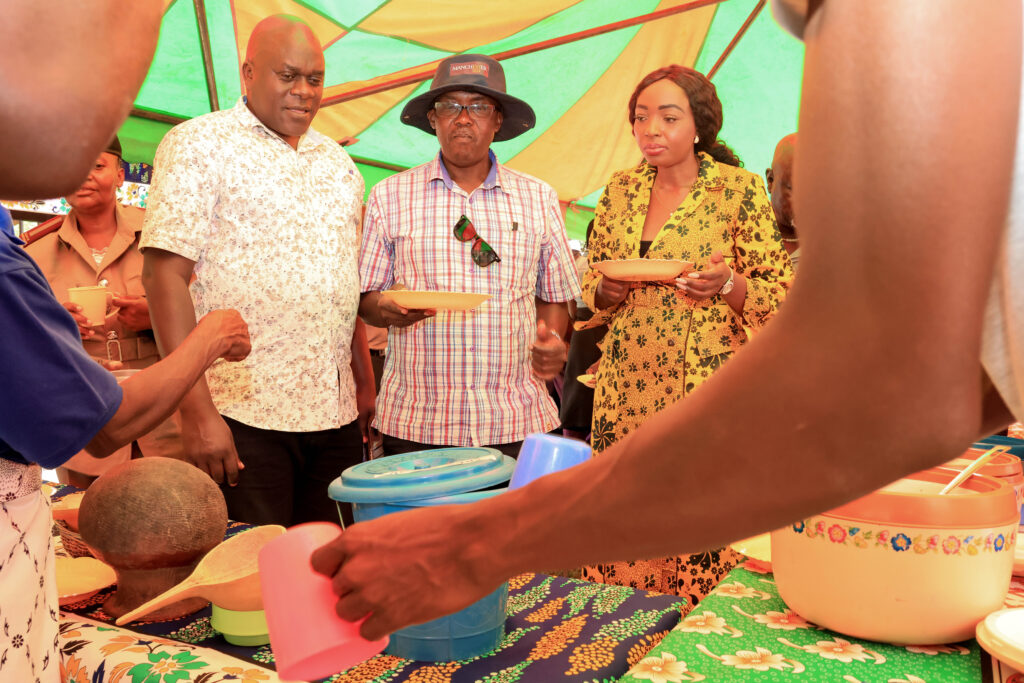
    The symposium brought together diverse stakeholders: community members, many rediscovering traditional foods after decades; representatives from the County Government of Migori, the Departments of Agriculture, Gender, and Trade, committing to integrate the knowledge into policies and programs; Schools, represented by both teachers and children, signaling to passing of this knowledge on to the next generation; and the Kakoth Council of Elders ensuring that inter-generational learning was preserved and honored.

    The Kawino Women and Youth Group prepared a rich array of traditional dishes such as nyuka,kuon anang’a, chak mopuo, dek, osuga, mtoo, boo, apoth, omena, mbuta, omuogo, rabuon, mor alenya,  mor ng’iende and more. Participants watched the preparation, learned the cultural significance, and tasted meals that had nourished the generations before.

    Elders shared wisdom on indigenous seeds and farming methods, while youth engaged in intergenerational knowledge transfer, ensuring these practices live on. Experts shared how this aligns with agroecology and why the community should embrace agroecology as a means towards food and nutrition security.

    The experience extended beyond the kitchen to the field, where participants visited a community demonstration farm managed by the Kawino Women and Youth Group. They learned how Black Soldier Fly farming contributes to the production of organic fertilizer and high-protein animal feed, observed composting techniques, and explored mixed-cropping systems that improve soil health, conserve moisture, and enhance resilience in the dry conditions of Nyatike.
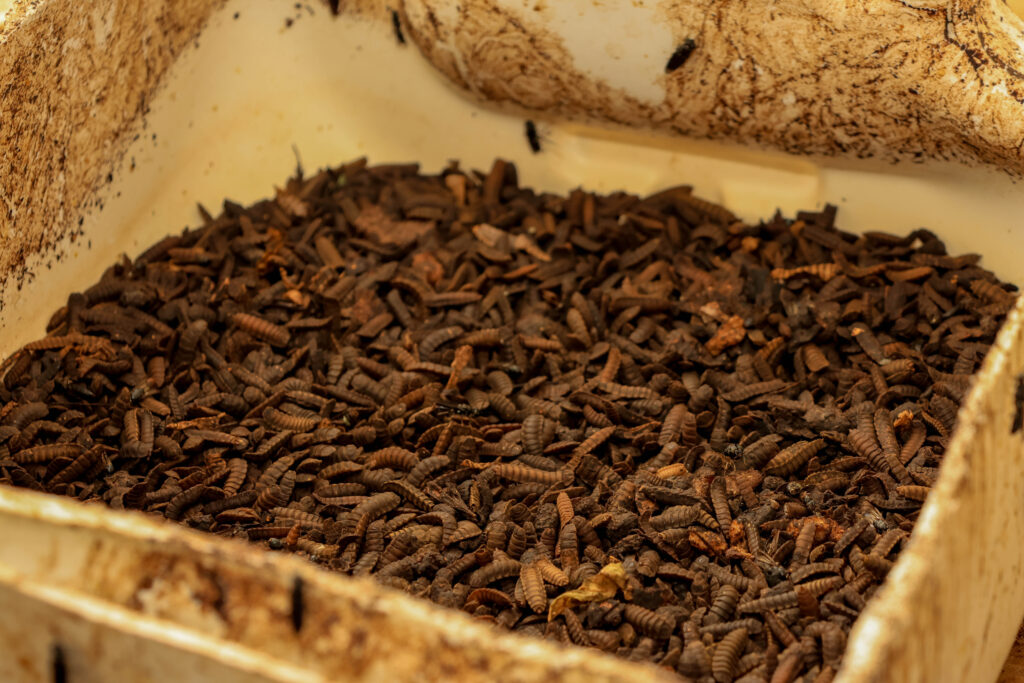
    The visit showcased practical, locally driven solutions that communities can adopt to improve productivity while protecting natural resources.

    The festival concluded with a symbolic fruit tree-planting exercise, reaffirming the community’s commitment to environmental restoration, biodiversity conservation, and building resilient food systems for future generations.

    This festival was a celebration of indigenous foods and a call to action. Restoring drought resilient crops and indigenous vegetables on land, and reviving diversity in Lake Victoria’s fisheries while embracing agroecology, as essential for climate resilience.

    Reconnecting the Nyatike community with this heritage was a step to building food systems that are not only sustainable but also deeply rooted in identity, and survival.
  • Healing the Divides: Women’s Leadership in Climate and Conflict Vulnerable Areas

    Healing the Divides: Women’s Leadership in Climate and Conflict Vulnerable Areas

    Climate change is a threat multiplier in crisis contexts, amplifying pressures that undermine peace and security. Climate variabilities like droughts, floods together with depreciating natural resources presenting itself in various ways including land degradation and shrinking biodiversity, continue to strain food systems and livelihoods while increasing risk of conflict.

    In counties already affected by conflict, such climate variabilities and depreciating natural resources are deepening poverty, weakening institutions and making recovery difficult, creating a vicious cycle where climate stress and insecurity reinforce each other. 

    In such circumstances, women face greater risks because they rely more on climate-sensitive livelihoods for their daily gender roles while having limited access to and control of resources and decision-making spaces. As climate pressures and insecurity disrupt traditional livelihoods, men migrate in search of income or safety and survival, leaving behind women to assume expanded economic and social responsibilities, but without corresponding rights or protection. 


    The collapse of livelihoods and disruption family and community structures due to displacements often expose women to a greater risk of domestic and sexual violence, early marriage and other forms of exploitation. Yet, these same shifts are opening spaces for women’s leadership, as they step forward to restore degraded ecosystems, rebuild livelihoods and strengthen social cohesion for more resilient communities. 

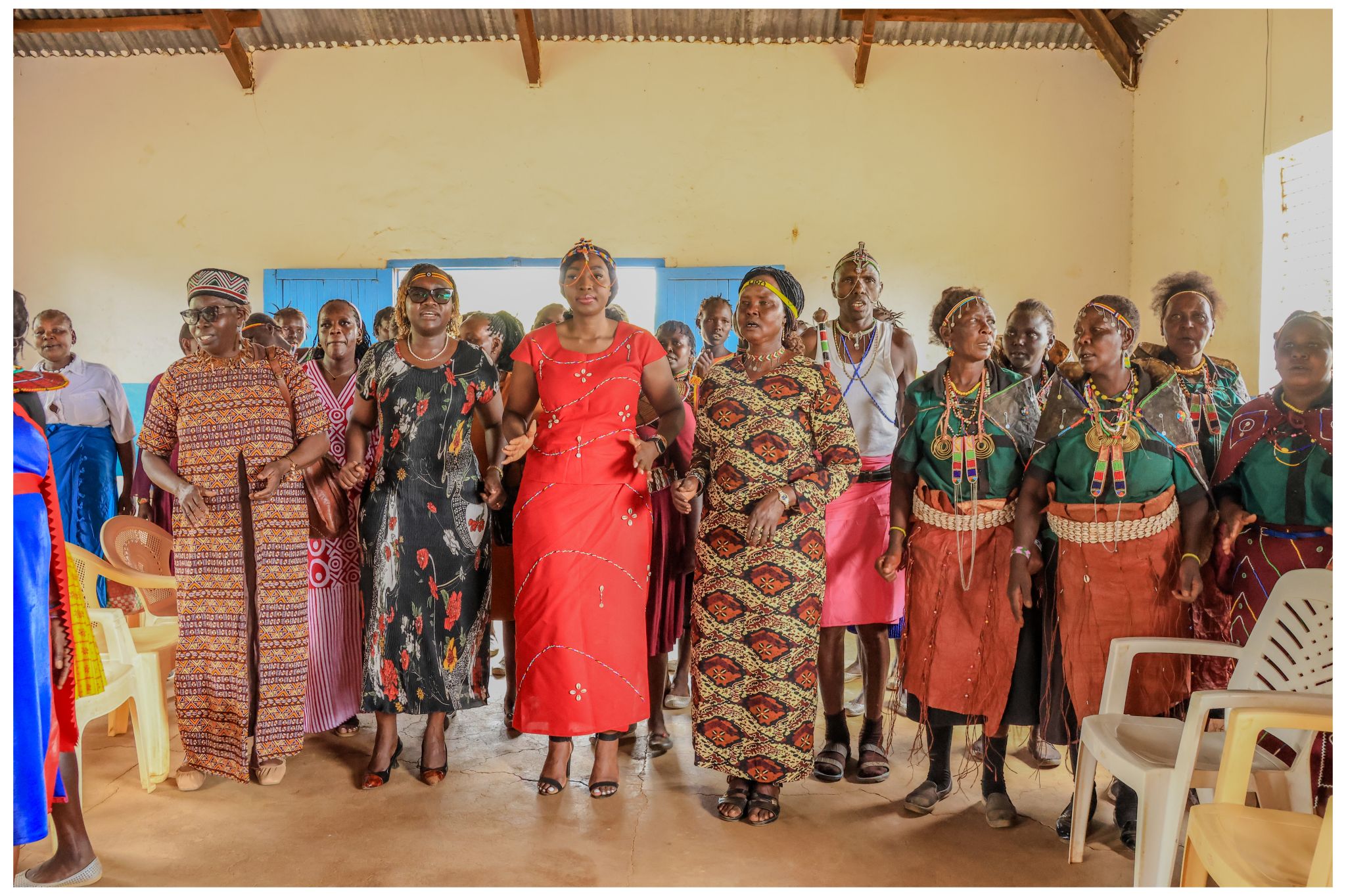
    In Baringo County, recurrent droughts, prolonged dry spells, and shrinking grazing lands have fueled resource-based tensions between the two pastoralist communities of Ilchamus and Pokot and have led to loss of lives and livelihood. As this happens, women from the Ilchamus and Pokot have chosen reconciliation over retaliation. For two months, they fasted and prayed together, each secretly interceding for another woman across community lines.

    This commitment culminated in a symbolic gifting ceremony, where prayer partners were revealed and gifts such as mattresses, shukas, flasks were exchanged as tokens of solidarity, carrying far more weight than their material value. This ritual, rooted in faith and trust, has nurtured friendships among the women and inspired men and local leaders to resist cycles of violence. Africa CSID appreciates the opportunity to be part of this process.

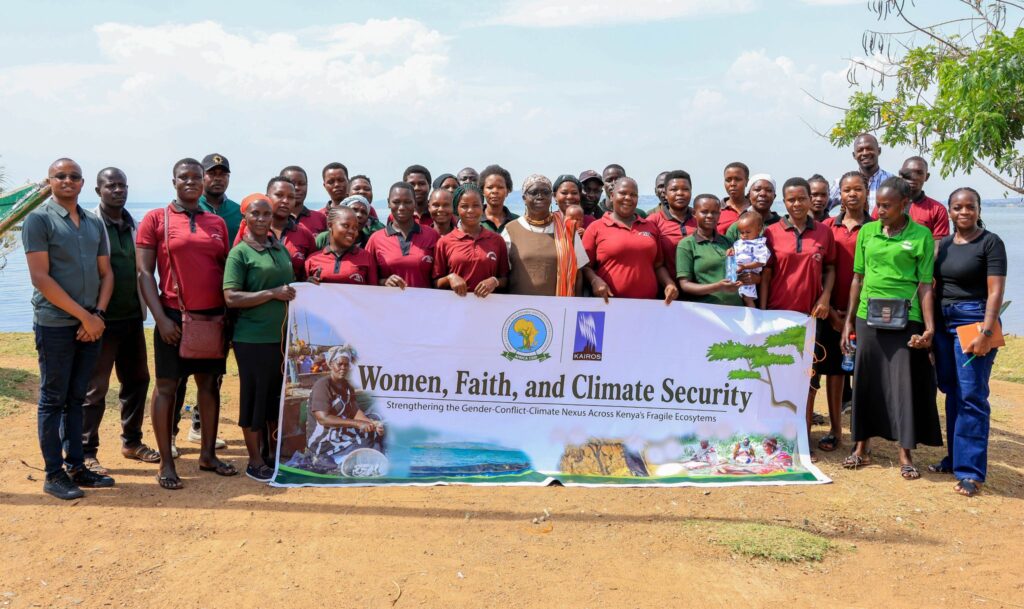
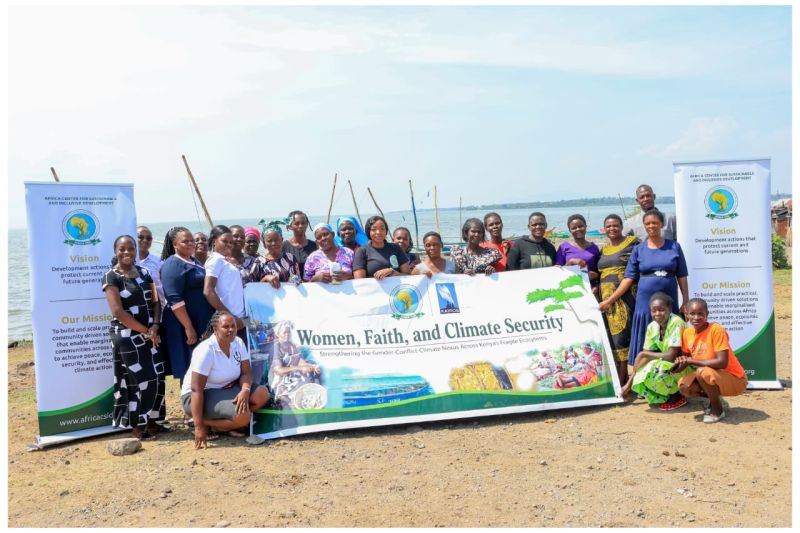
    On the shores of Lake Victoria, women in fishing communities face a different but equally devastating challenge. Through dialogues facilitated by Africa CSID, women shared firsthand accounts of the complex and often devastating impacts of dwindling fish stocks and resource-based conflicts on their lives and livelihoods. Yet, beyond these challenges, the dialogues also revealed the remarkable agency of women, who continue to emerge as leaders and peace-builders within their communities.

    At Lwanda Beach in Mbita, declining fish stocks and encroachment disputes have escalated into violent clashes between Lwanda Beach community and their neighbors from Uyoma, leaving injuries, loss of life, and deep scars on livelihoods. Amid this turmoil, women are stepping forward as peace brokers, working towards organizing dialogues and advocating for reconciliation in the face of pressures that have fueled mental health struggles and a troubling rise in gender-based violence.

    In Muhuru Bay, Migori County, the tri-border with Uganda and Tanzania has become a flashpoint with fishermen enduring harassment from patrol officers, confiscation of their catch, and denial of access to fishing grounds. Many return home empty-handed, unable to provide for their families forcing women to bear the brunt of this economic strain while others lose their lives to the violence resulting from disputed water borders and dwindling fish stocks. The women such as those from Kogunda Ladies Group continue to mobilize a call for stronger government action and bilateral cooperation.

    What binds these stories across the three counties is not just the challenges faced, but most importantly, the indispensable role women play in transforming conflict into coexistence. From prayer cycles in Baringo to peace dialogues at Lwanda Beach and reconciliation advocacy in Muhuru Bay, women emerge not as passive victims of climate insecurity but as architects of resilience, shaping reconciliation, fostering trust, and building community-led pathways toward lasting peace.

  • POLICY IN ACTION

    This Q2 2026 edition of the Policy in Action newsletter highlights Africa CSID’s meaningful progress in driving inclusive climate policies, from launching national gender mainstreaming guidelines in Kenya to championing community voices at the global SB64 negotiations in Bonn. It also celebrates impactful grassroots milestones that Africa CSID engaged in — from scaling school‑based climate resilience programs in Nyatike to strengthening sustainable food systems through the Seeds for Change initiative.

    These community‑driven efforts, alongside regional workshops disseminating NGCCAP III, reflect how Africa CSID bridges high‑level policy with tangible action on the ground. Together, they underscore a quarter defined by both national leadership and local innovation, affirming that inclusive climate action is not only negotiated in global halls but cultivated in communities.

  • Africa’s Climate Finance Paradox: Risky Terrain or Ripe Opportunity?

    Africa’s Climate Finance Paradox: Risky Terrain or Ripe Opportunity?

    Africa’s climate finance story is a paradox – caught between the weight of risk and the promise of opportunity. It is a landscape where billions are pledged but access remains elusive, where communities face mounting climate shocks yet hold untapped potential for resilience and innovation.

    As a region highly vulnerable to climate change, Africa receives only a fraction of the funding needed to respond to the Climate shocks. And while the continent is bursting with potential from a huge youth population to renewable energy, green innovation and so much more, investors still hesitate to finance Africa’s climate resilience and adaptation to the devastating effects she is experiencing.

    So why is this so and why should we care?

    Climate change is reshaping Africa’s environmental, economic, and social landscapes, intensifying vulnerabilities across agriculture, water resources, public health, and socioeconomic stability. And when Africa doesn’t get the support it needs to adapt and thrive, the ripple effects touch on everyone and every sector. One such support is through Climate financing.

    So Why Is Africa Still Underfunded?

    Here’s the hard truth: many investors still see Africa as “high risk” for investment and this label has stuck, even though it’s unfair and outdated.

    First, there is the issue of climate vulnerability. Africa faces more extreme weather than most regions from droughts, floods, and unpredictable seasons that threaten food security and livelihoods. That makes long-term projects seem risky.

    Then there’s the economic side. Many African countries are dealing with debt and tight budgets. They don’t have much room to invest in big climate solutions or repay loans quickly. And when governments are stretched thin, it’s harder to attract private investment.

    Finally, there’s the perception of weak governance. Investors worry about corruption, unclear regulations, or political instability. Even when countries are making progress, these concerns can scare off funding.

    The result? Africa ends up being charged higher interest rates on loans and gets offered short-term, low-risk projects instead of bold, transformative ones. Africa also struggles to access concessional finance, the kind of affordable funding that’s essential for adaptation and resilience building

    What is being forgotten is that there are always two sides of a coin. Despite the challenges, Africa is one of the most exciting places to invest in climate solutions. 

    By 2050, Africa’s youth population, already the largest in the world, is projected to double to over 830 million. The OECD reports that by the same year, the continent’s working-age population (15-64 years old) will rise from 849 million in 2024 to 1.56 billion, accounting for 85% of the global workforce increase.

    Across the continent, young people are building green value chains through eco-friendly farming, recycling businesses, nature-based solutions and green startups which aren’t just good for the planet but also creating jobs and boosting local economies.

    According to Forbes Africa, young people are key to cultivating a more sustainable and healthier planet with youths from Africa leading the way in developing innovative solutions for the continent’s challenges.

    Africa also holds a treasure trove of clean energy waiting to be tapped. From the blazing sun in the Sahel to the steady winds of the Rift Valley and the geothermal heat bubbling beneath East Africa’s crust, the continent is naturally equipped for a renewable revolution.

    Countries such as Kenya, Ethiopia, Morocco, Egypt and South Africa are at the forefront of the clean energy revolution in Africa. Each of these countries has implemented significant renewable energy projects that are making substantial impact on their energy landscape.

    Most importantly, climate leadership is rising. Youth groups, civil society organizations, and local governments are stepping up with bold ideas and real action. They’re not waiting for permission; they’re leading the way.

    So what is the way forward for Africa?

    To unlock Africa’s climate potential, we need to make investments safer through tools like insurance, guarantees, and blended finance. We need to build trust by supporting transparency, good governance, and community-led projects. We should also push for fair funding, concessional finance, South-South partnerships, and more support for local change makers.

    We need to think about regional integration, shared infrastructure, and harmonized climate policies that help scale solutions across borders.

    Ultimately, through coordinated efforts and strategic investments, African nations can transform the challenges of climate change into opportunities for resilience and growth.

  • Bridging Policy and Action: Launch of Kenya’s Gender Mainstreaming Guidelines for Climate Action

    Bridging Policy and Action: Launch of Kenya’s Gender Mainstreaming Guidelines for Climate Action

    Climate change in Kenya is not a distant abstraction. It is lived daily in the shrinking grazing lands of pastoralists, in the dwindling fish stocks of Lake Victoria, in the delayed rainfalls affecting small scale farmers in the long walks women make to fetch water, the silent burdens carried  by the elderly and persons with disability during floods and droughts, the water flow-backs from the Rift Valley lakes in the case of Lake Naivasha and so much more.

    Yet, these impacts are not evenly distributed. Vulnerability is shaped by gender, age, poverty, and social status. Some harms are recognized, others remain invisible.

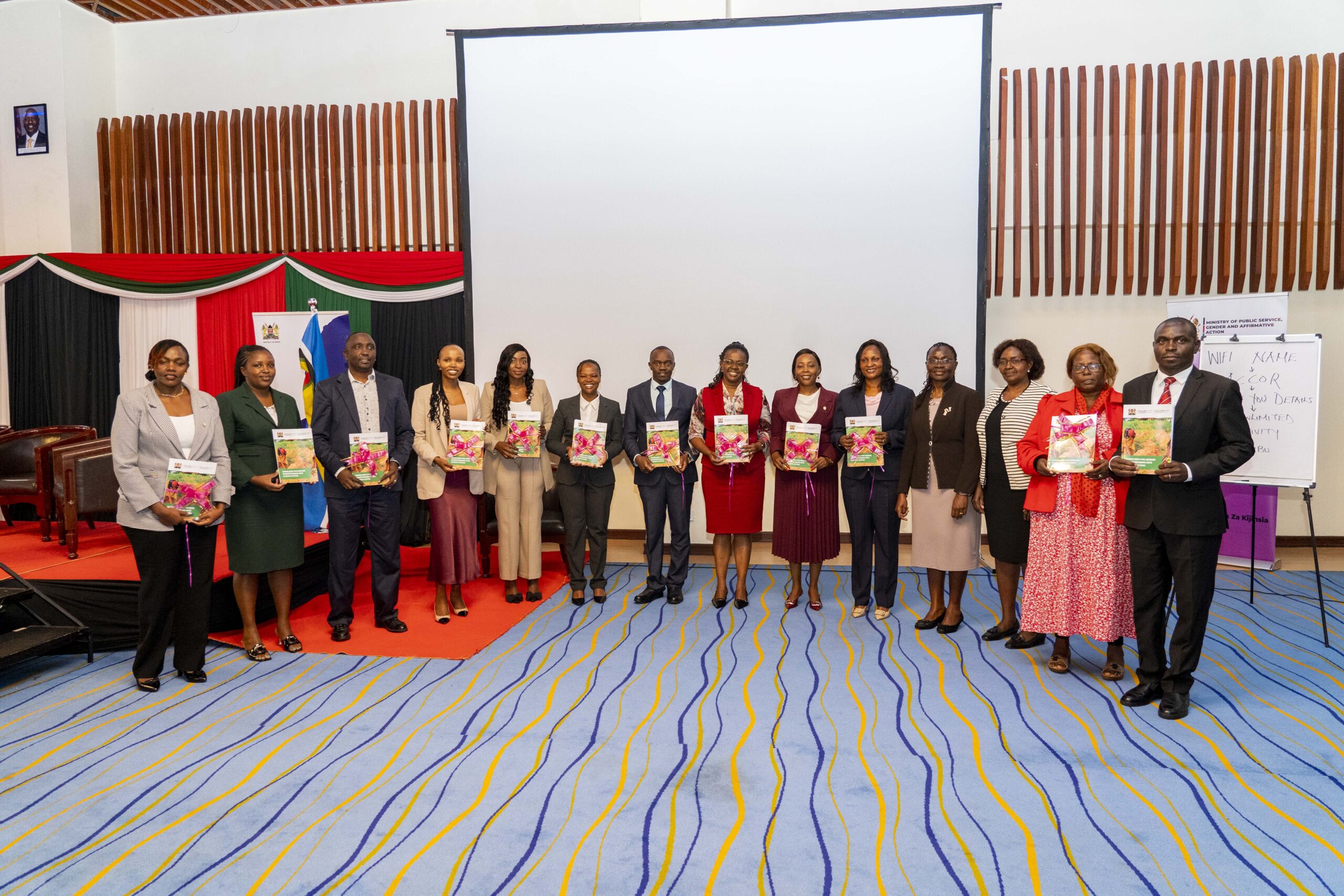
    Six months ago, Kenya took a decisive step forward by developing the Guidelines for Gender Mainstreaming into Climate Action. This landmark document was the product of collaboration between the State Department for Gender Affairs and Affirmative Action, the State Department for Environment and Climate Change, and the NDC Partnership, with Africa CSID providing technical leadership throughout the process.

    On 25th May 2026, the Guidelines were officially launched, marking a significant milestone in the country’s climate governance journey. More than a policy document, the Guidelines serve as a comprehensive framework for seeing, measuring, and responding to the differentiated ways climate change affects women, men, youth, and marginalized groups.

    The launch, held during the National Gender Sector Working Group Biannual Meeting, was a moment of national ownership. The Cabinet Secretary for Gender, Culture and Children Services presided as Chief Guest, joined by the Principal Secretary for State Department for Gender Affairs and Affirmative Action, ambassadors, UN leaders, Members of Parlimaent, civil society representatives, and grassroots voices from across the country. The breadth of participation underscored a collective commitment that climate action in Kenya must be gender-responsive, inclusive, and transformative.

    The Guidelines are practical and grounded. They provide tools for conducting gender analysis, frameworks for gender-responsive budgeting, and systems for monitoring, reporting, and verification (MRV) that demand sex and gender disaggregated data. The guidelines emphasize that climate policies and projects must not only acknowledge inequality but actively dismantle it.

    They remind us that resilience is built in communities where women’s unpaid survival labor, youth innovation, and indigenous knowledge sustain life amid crisis. By mainstreaming gender into climate action, and devevelpoing guidelines to support the processes, Kenya acknowledges that effective resilience requires equity, efficiency, and empowerment.

    Africa CSID’s  technical support enriched the Guidelines with approaches that stakeholders can apply at both national and county levels. We worked to ensure the document is not aspirational but actionable; a living tool that diverse state and nonstate actors like ministries, county governments, and community organizations can use to design interventions that leave no one behind.

    The challenge now lies in implementation. These guidelines only matter if they shape budgets, influence projects, and change lives. Dissemination must be deliberate, training must be continuous, and monitoring must be rigorous. Africa CSID remains committed to supporting stakeholders in translating these frameworks into tangible outcomes, from grassroots resilience projects to national climate strategies.

    Climate change is not neutral. And neither should our response be.